Resources
Insights & Resources
Stay ahead of regulatory change and emerging risks with expert perspectives on AI governance, compliance frameworks, and responsible AI practices.
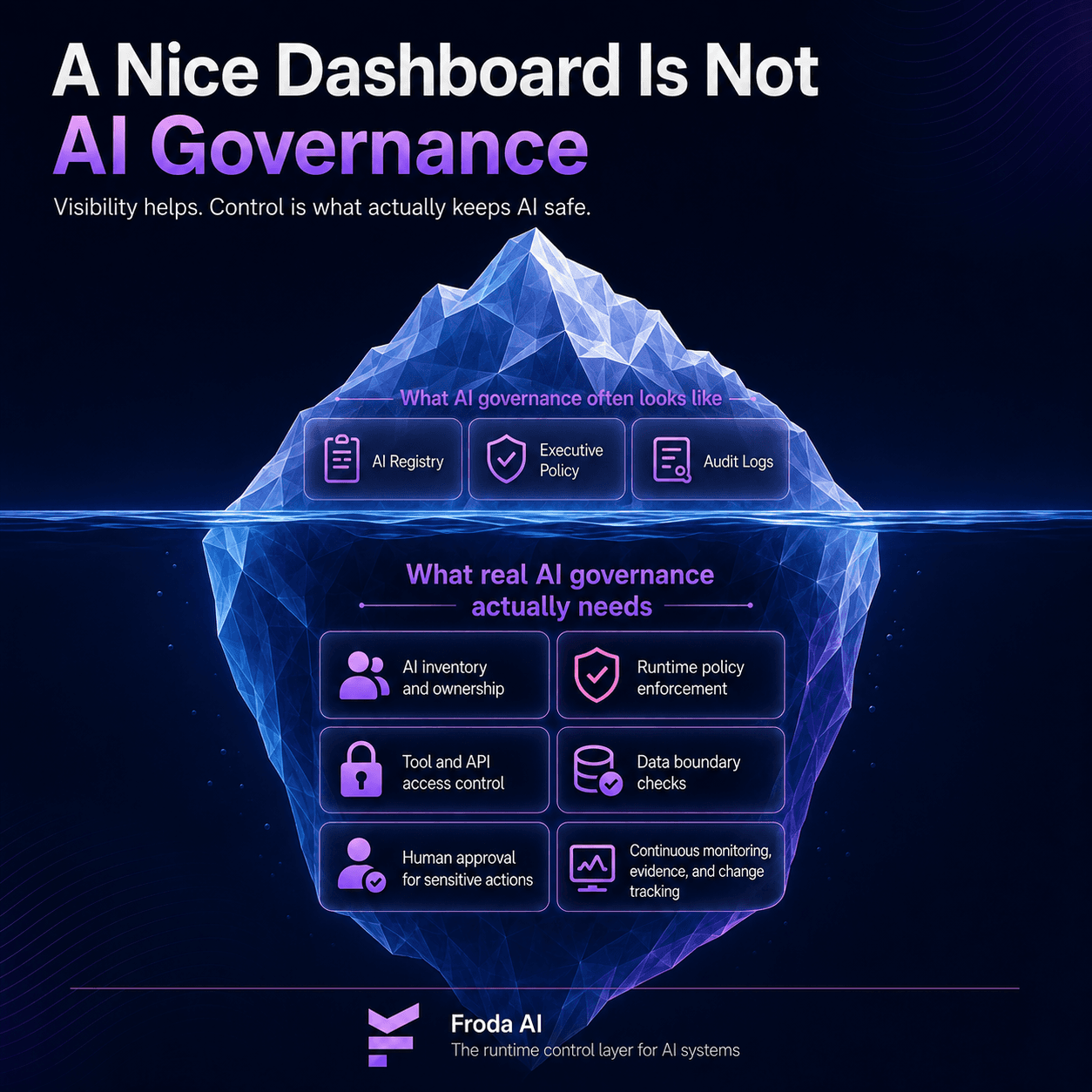
A Registry, a Policy, and Logs Are Not AI Governance
There is a pattern we keep seeing as companies start putting AI governance in place. A registry, policies, and logs look like a governance layer — but the AI system underneath can still do things those layers were never built to control.
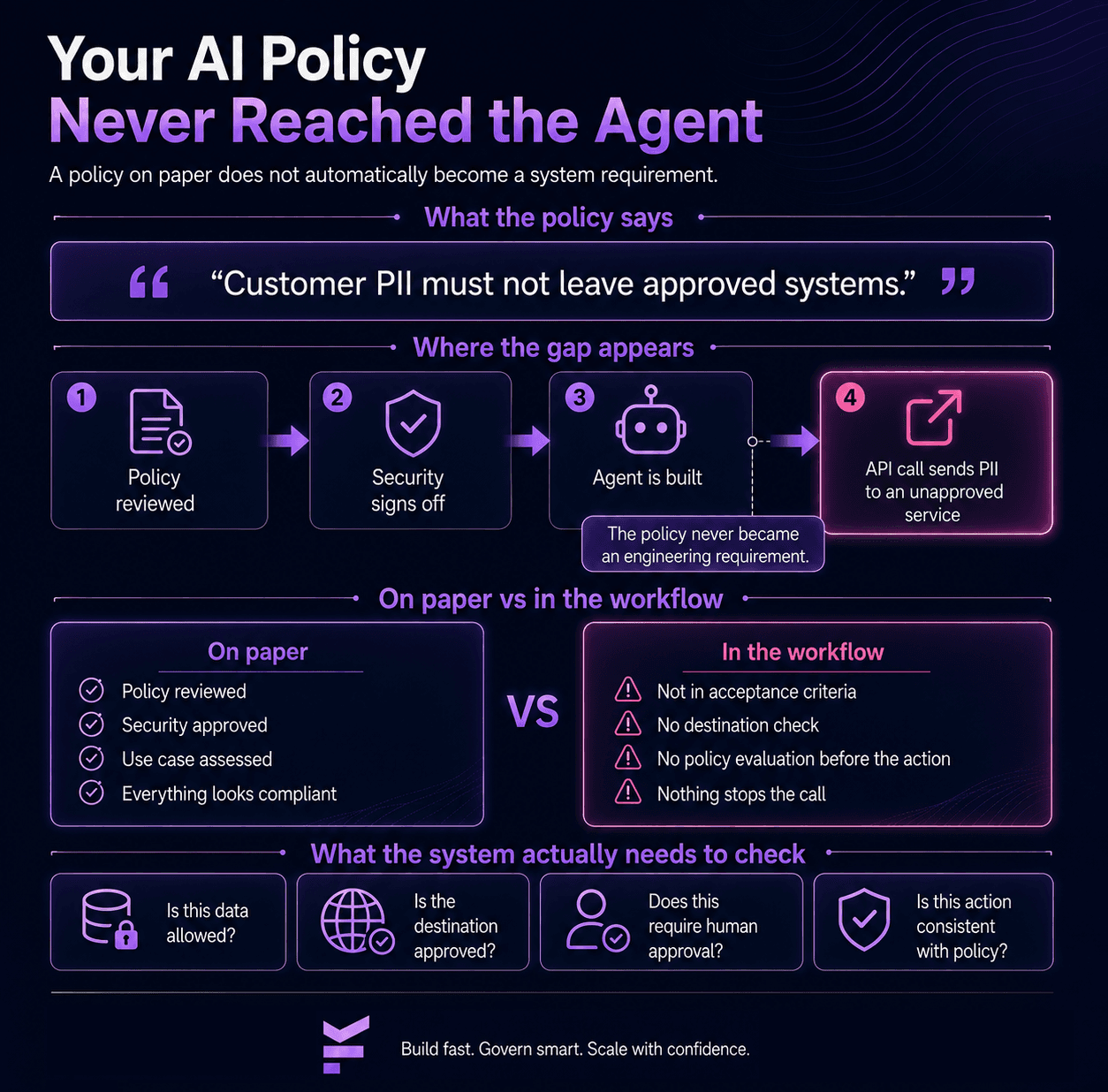
The Policy Was Approved. The Agent Never Knew About It.
A reviewed, signed-off policy says customer PII must not leave approved systems. Then the agent gets built — and somewhere between the document and the implementation, the policy never becomes a requirement the agent has to satisfy.
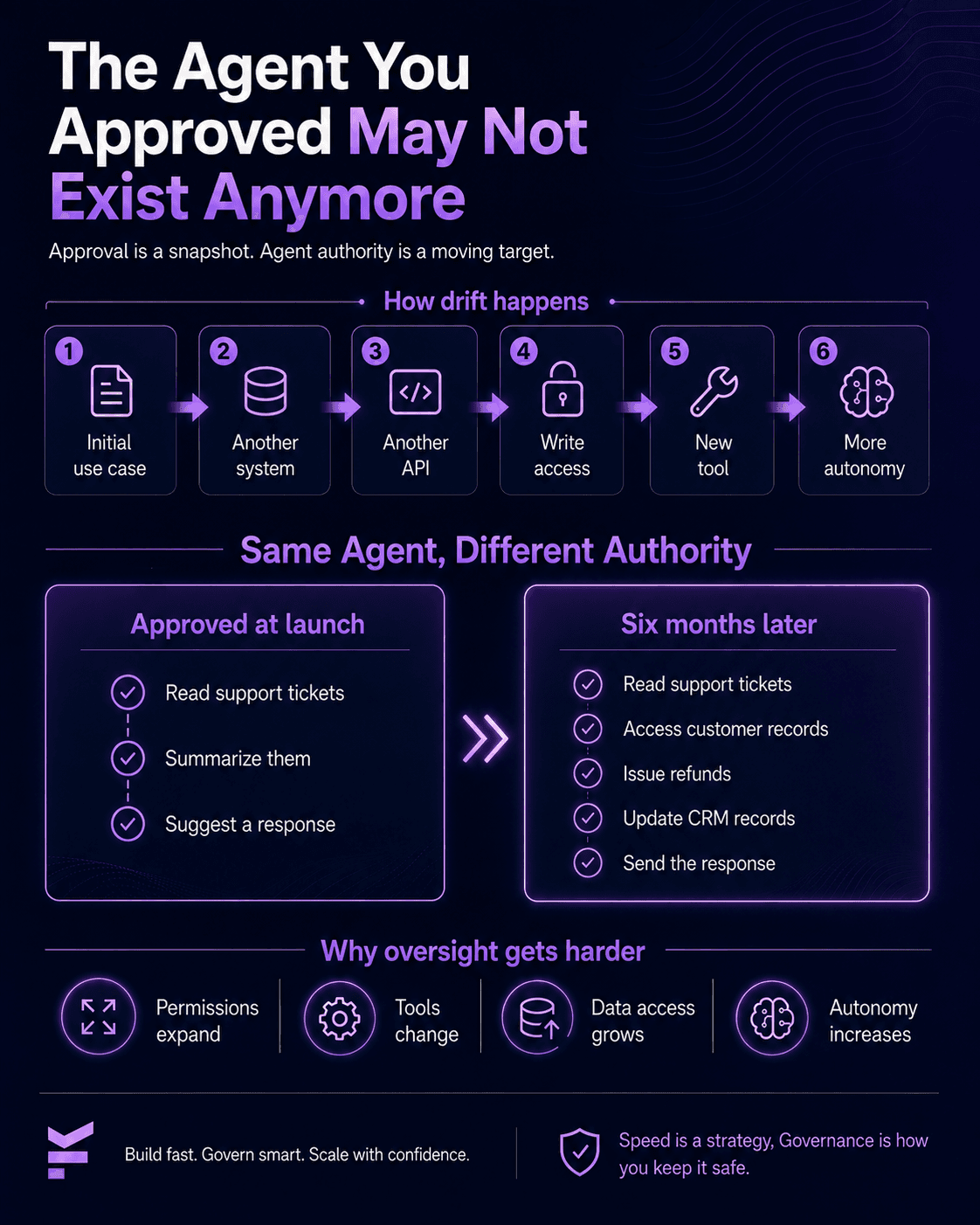
Approving an Agent Is a Snapshot. Its Authority Is a Moving Target.
Most AI agents don't stay the way they were when they were first approved. Tools change, permissions expand, autonomy grows — and six months later you are governing a very different agent from the one you signed off on.
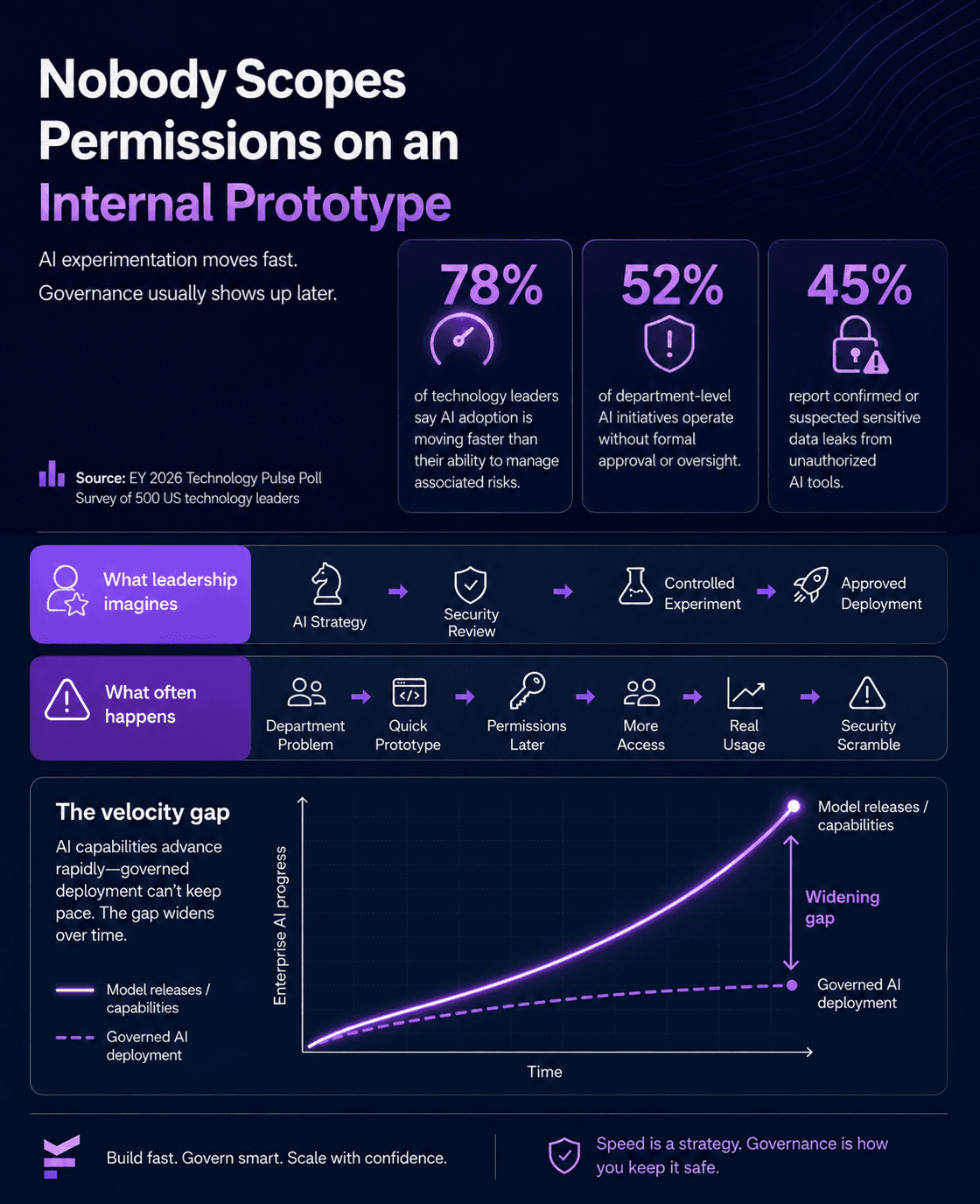
The AI Experiment Nobody Shut Down
Teams build a quick AI prototype, promise to figure out permissions later, then move on to the next idea. The business abandons the project — but the credentials, the tools, and the scheduled jobs don't always go with it.
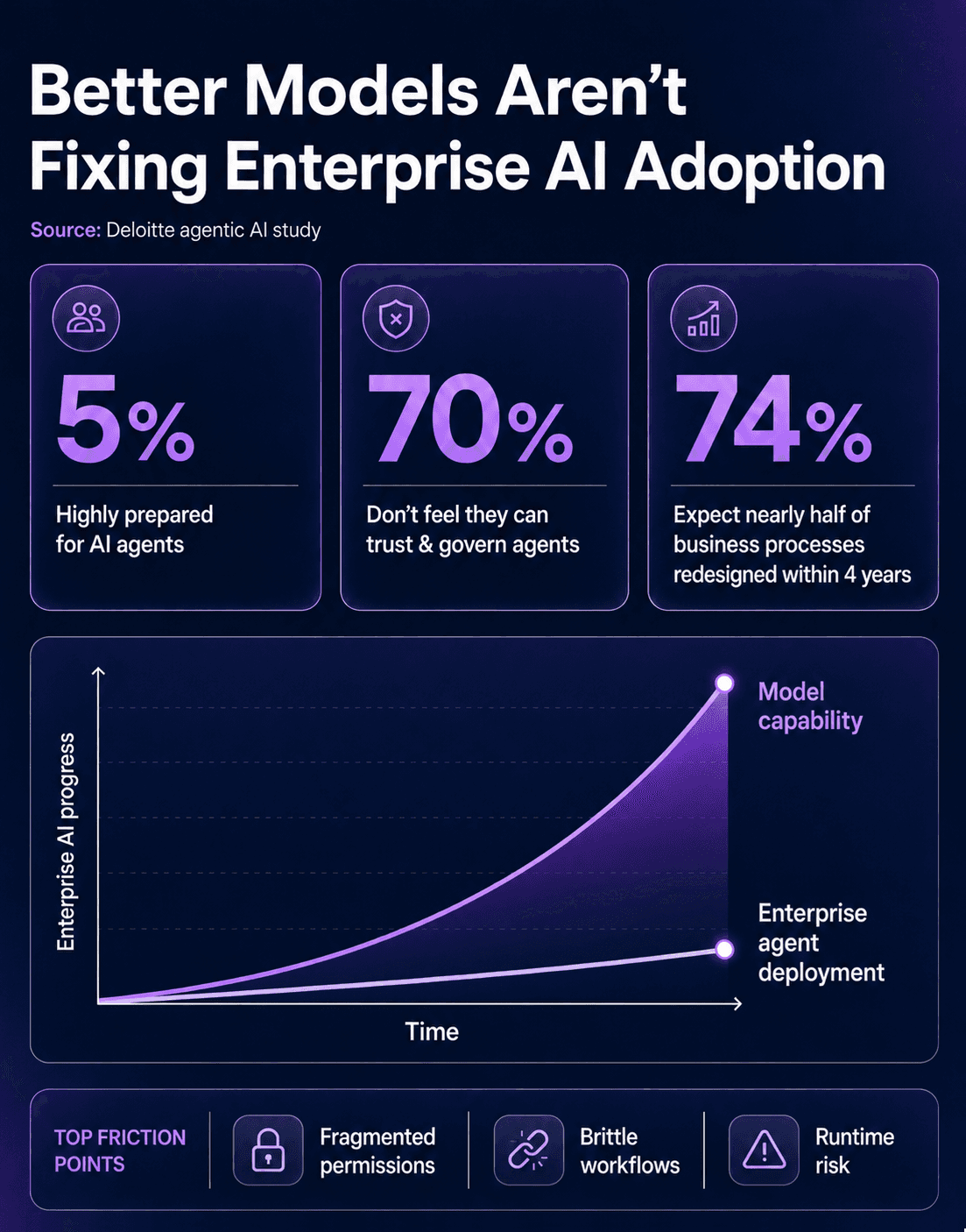
AI Models Are Moving Faster Than Enterprises Can Safely Deploy Them
Only 5% of organizations say their processes are highly prepared for AI agents, while 74% expect half their business processes redesigned around agents within four years. Model capability isn't what's holding them back.
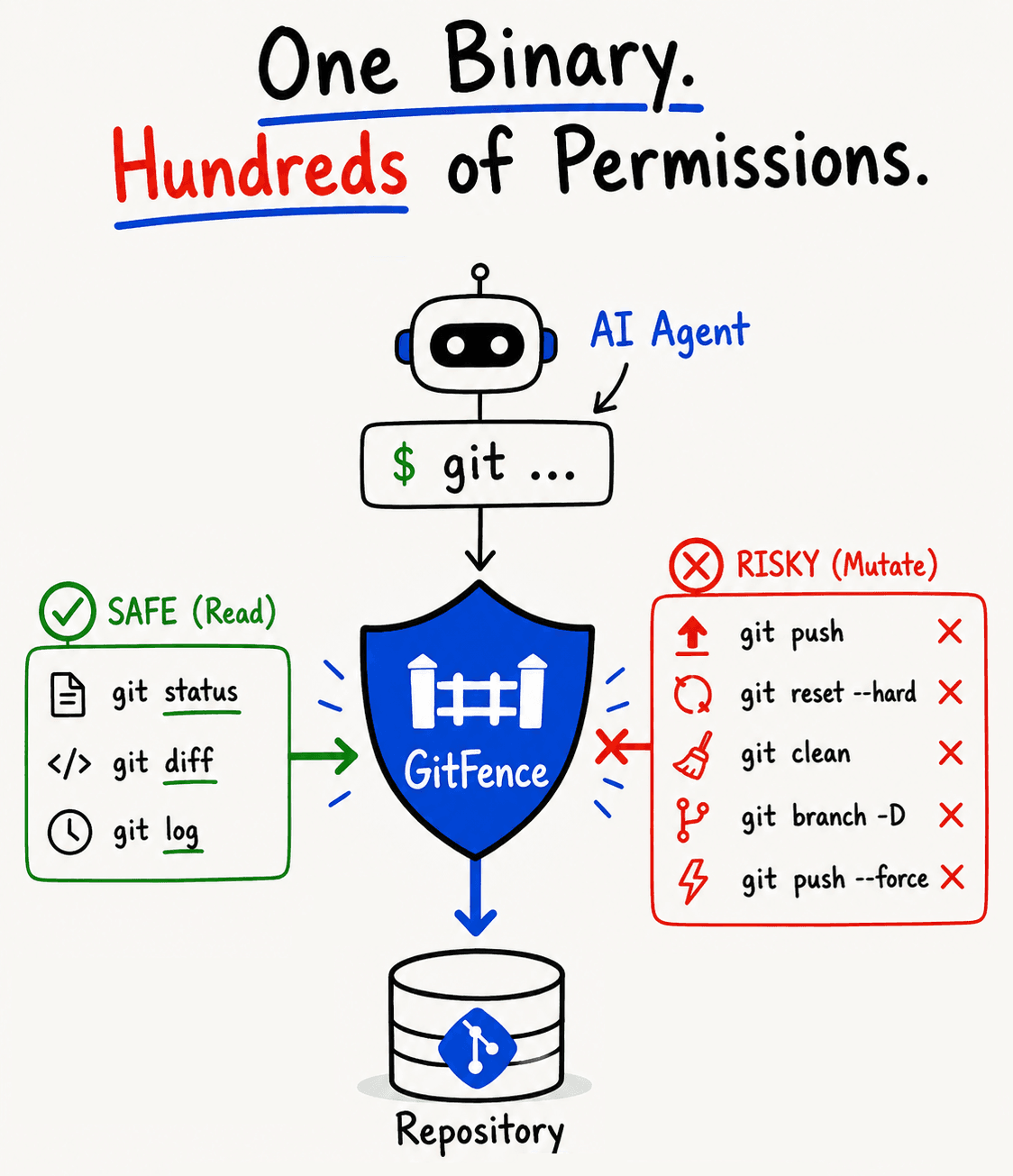
Introducing gitfence: Open-Source Git Guardrails for AI Agents
AI agents run the same git commands developers do — but they don't understand consequences. gitfence is a drop-in git wrapper that deterministically blocks destructive operations. Today, we're open-sourcing it.
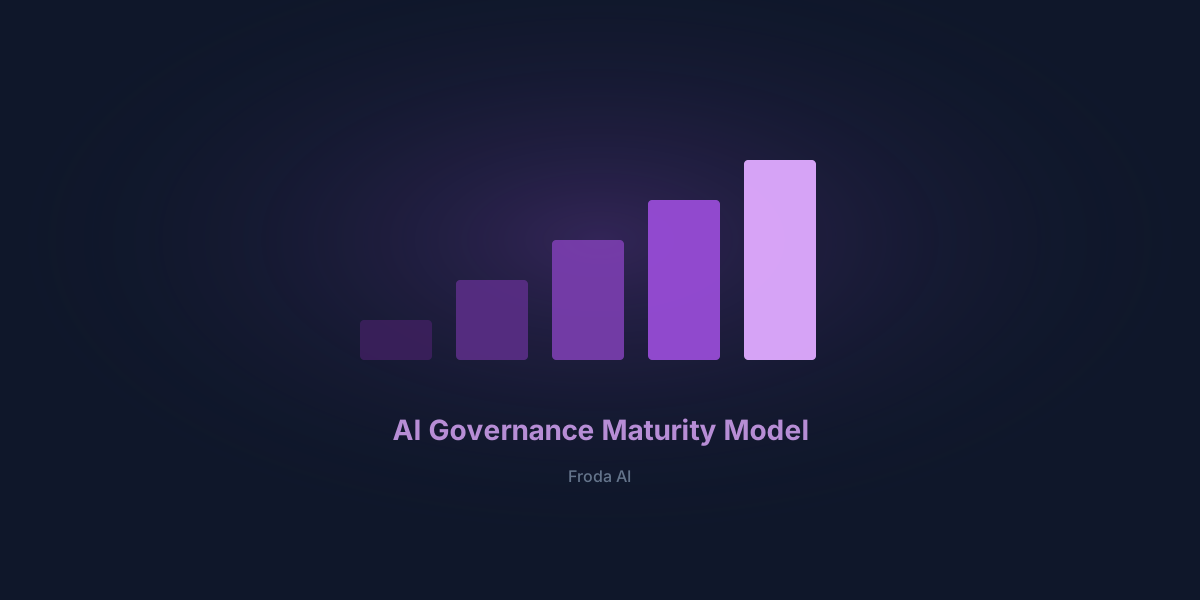
Where Does Your AI Governance Actually Stand? A 5-Level Maturity Model
AI governance isn't binary — it's a spectrum, and most teams can't point to where they sit on it. Here's a 5-level maturity model to make it concrete.
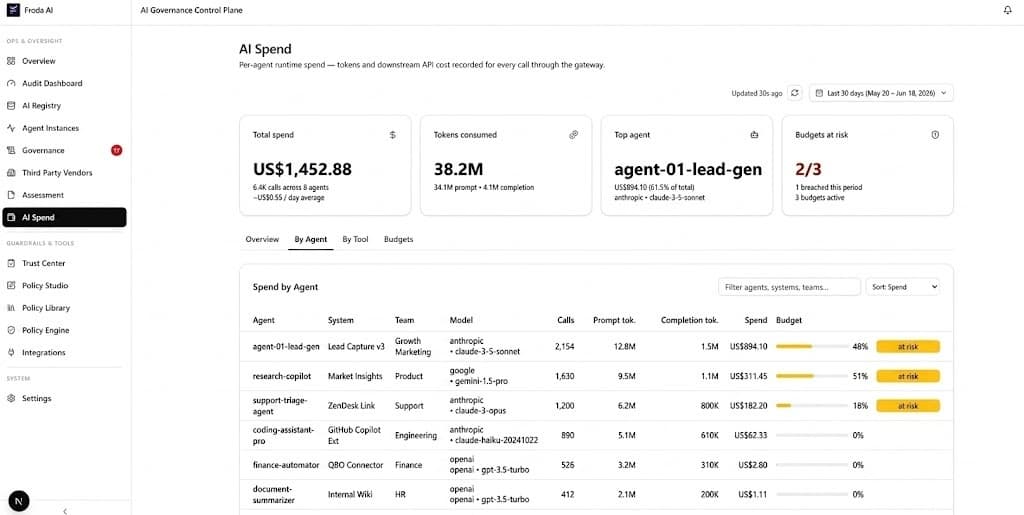
Your AI Agent Has a Company Credit Card — and No Spending Limit
You'd never hand a new hire a corporate card with no limit, no alerts, and no statement. Yet that's exactly what deploying an unmonitored AI agent does.
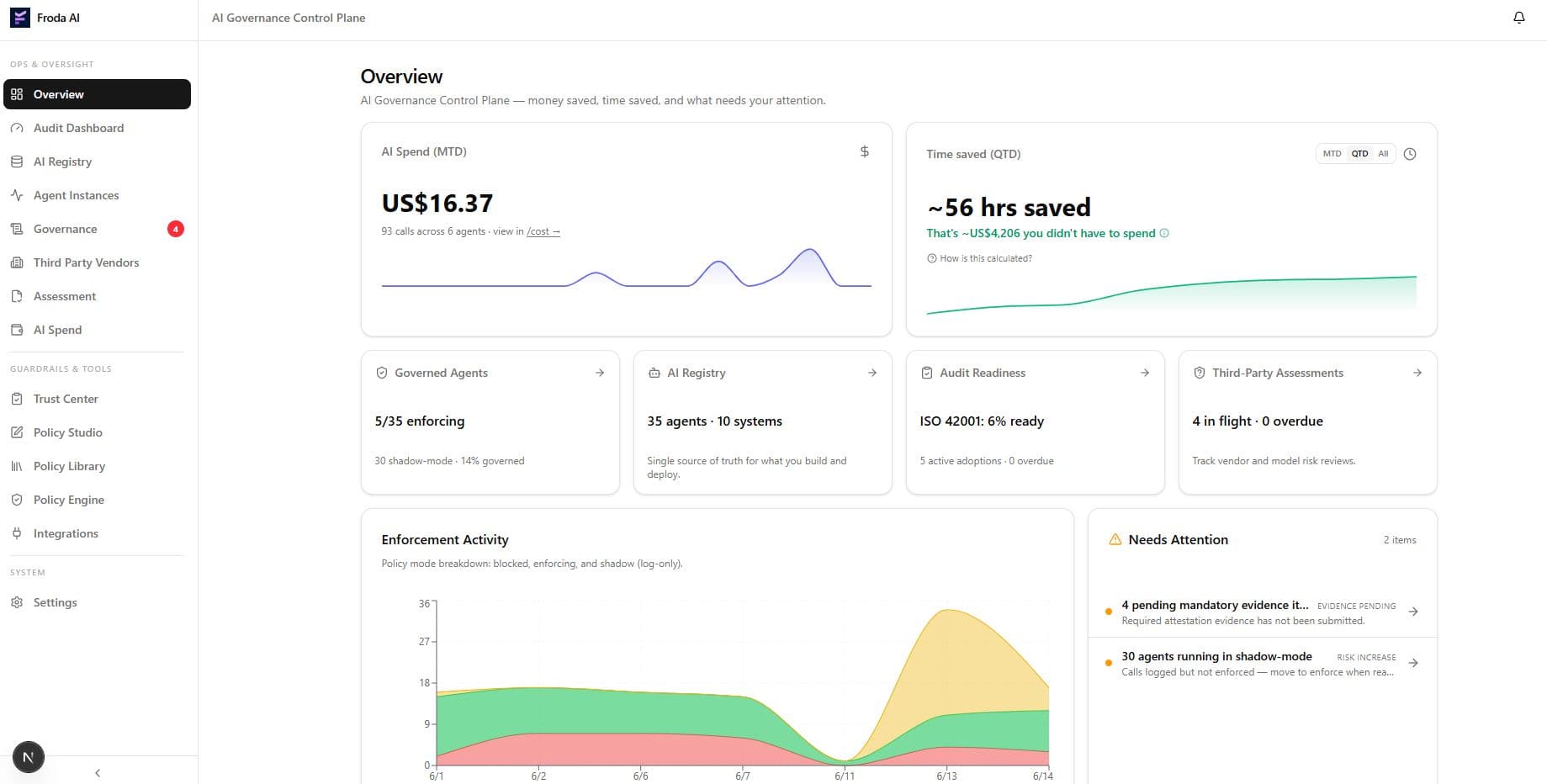
AI Governance Has Two Numbers. Most Teams Can't See Either.
A small team ships an AI agent. It works. Everyone moves on. But the agent is quietly draining two things at once — money and hours — and both are invisible by default.
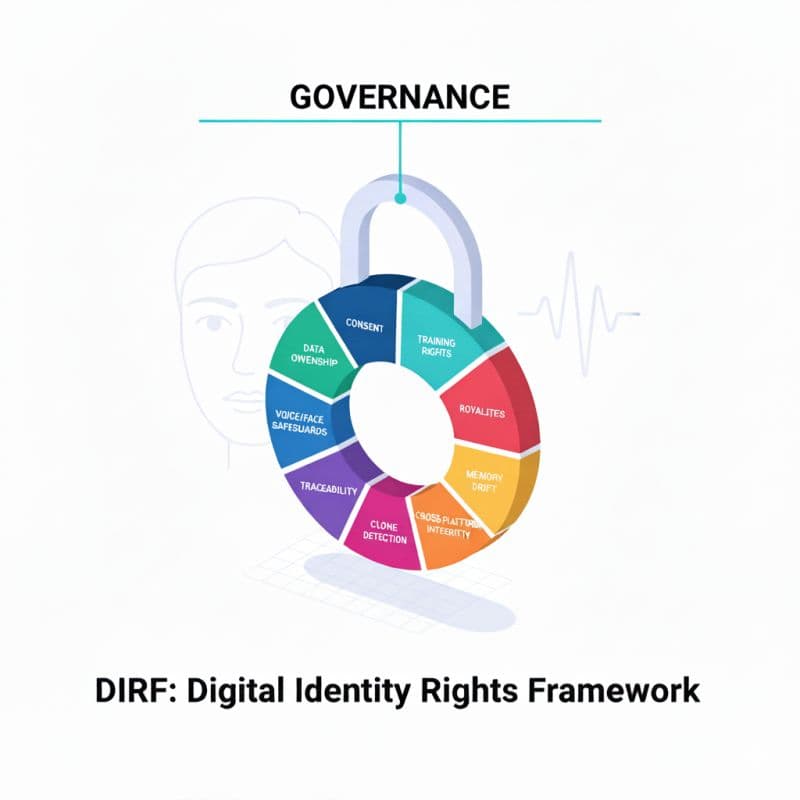
Building Trust in Agentic AI with the Digital Identity Rights Framework (DIRF)
How will you safeguard against risks when AI systems become increasingly capable of replicating voice, face, and behavior, and even monetizing identity?
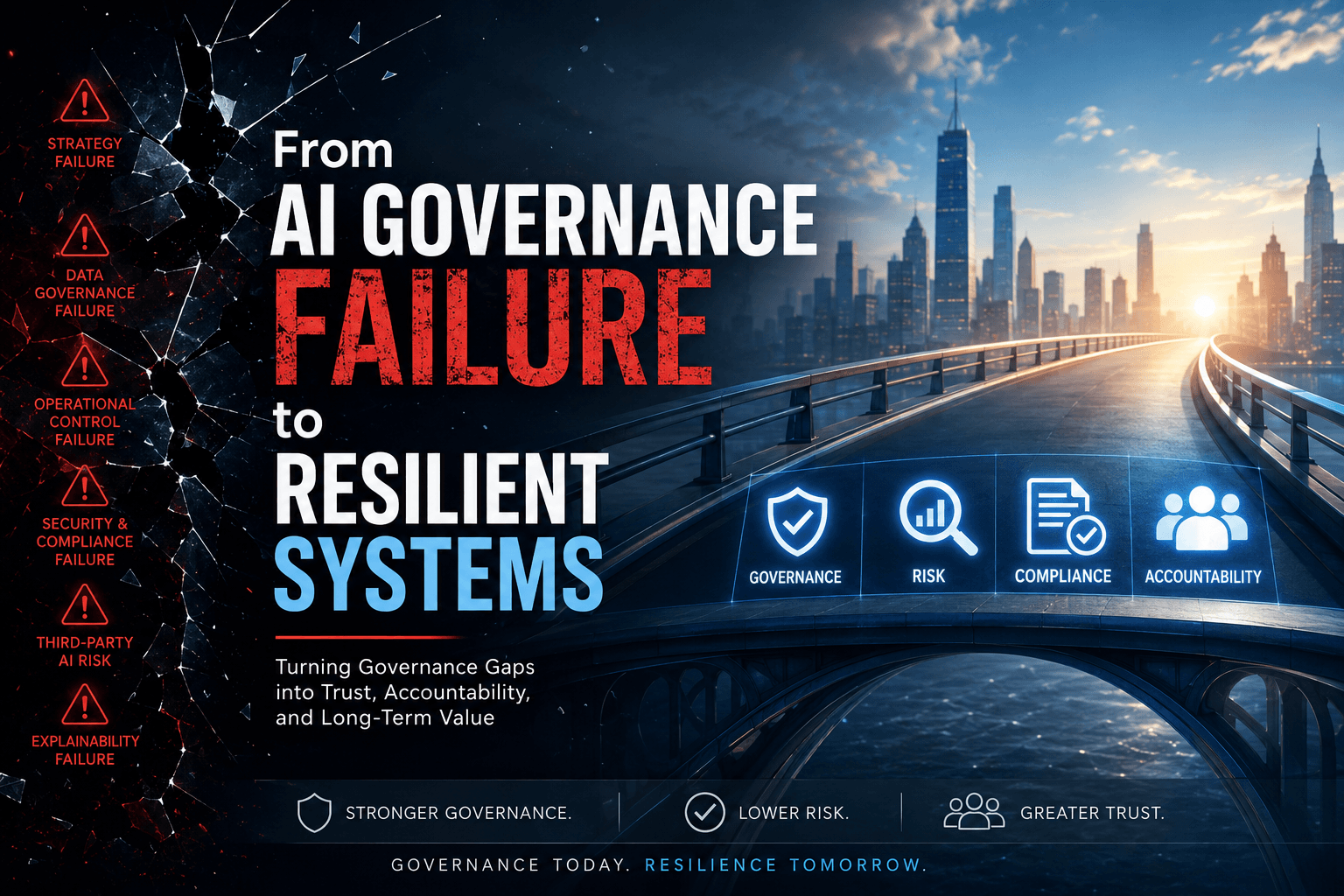
From AI Governance Failure to Resilient Systems
AI failures aren’t about technology—they’re about governance. And as adoption grows, so does invisible risk.
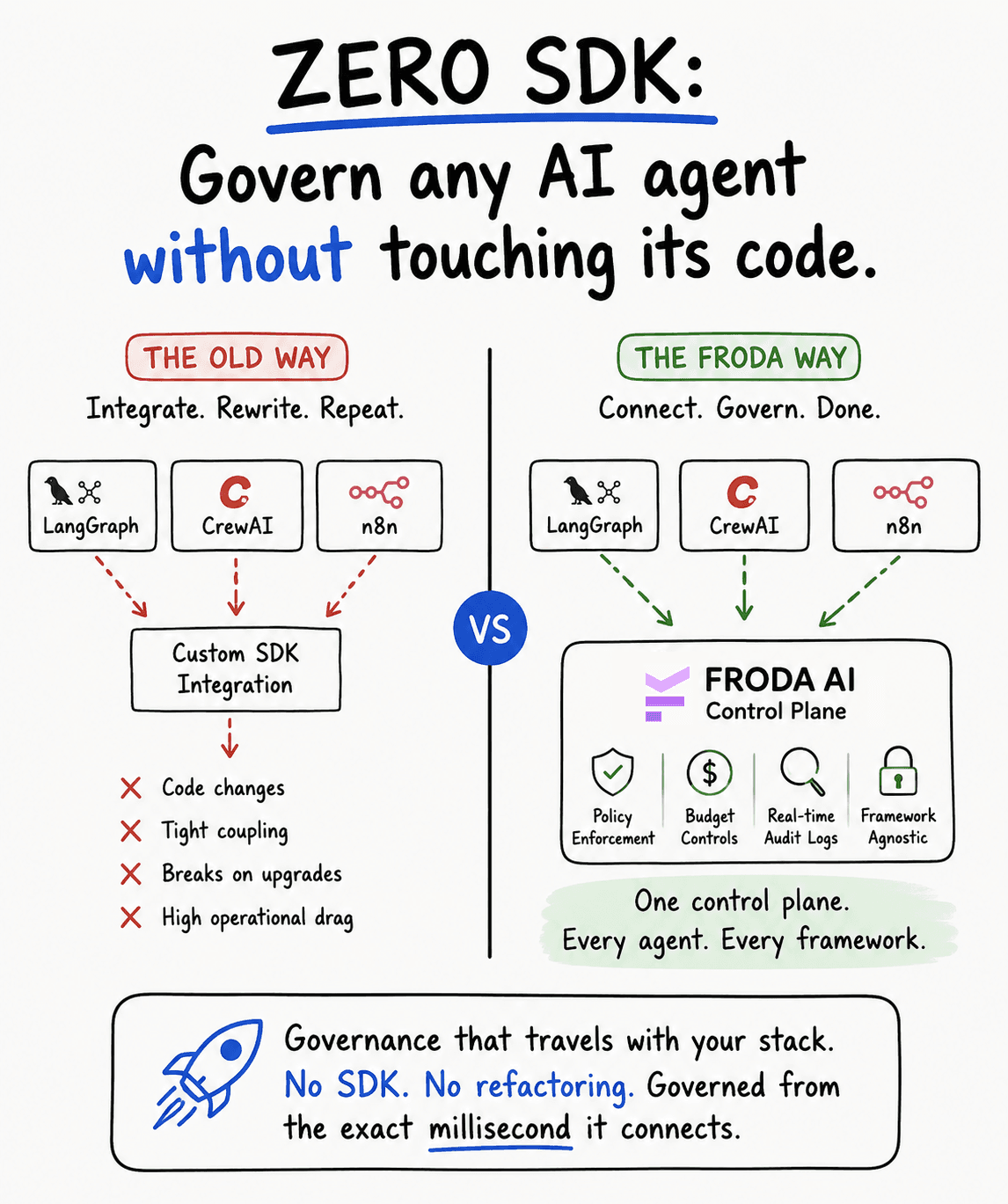
Zero SDK: Govern Any AI Agent Without Touching Its Code
Every governance platform asks you to wrap your agent in its SDK — import the library, rewrite your tool calls, add middleware. Governance shouldn't live inside your agent's code. It should live beneath it.
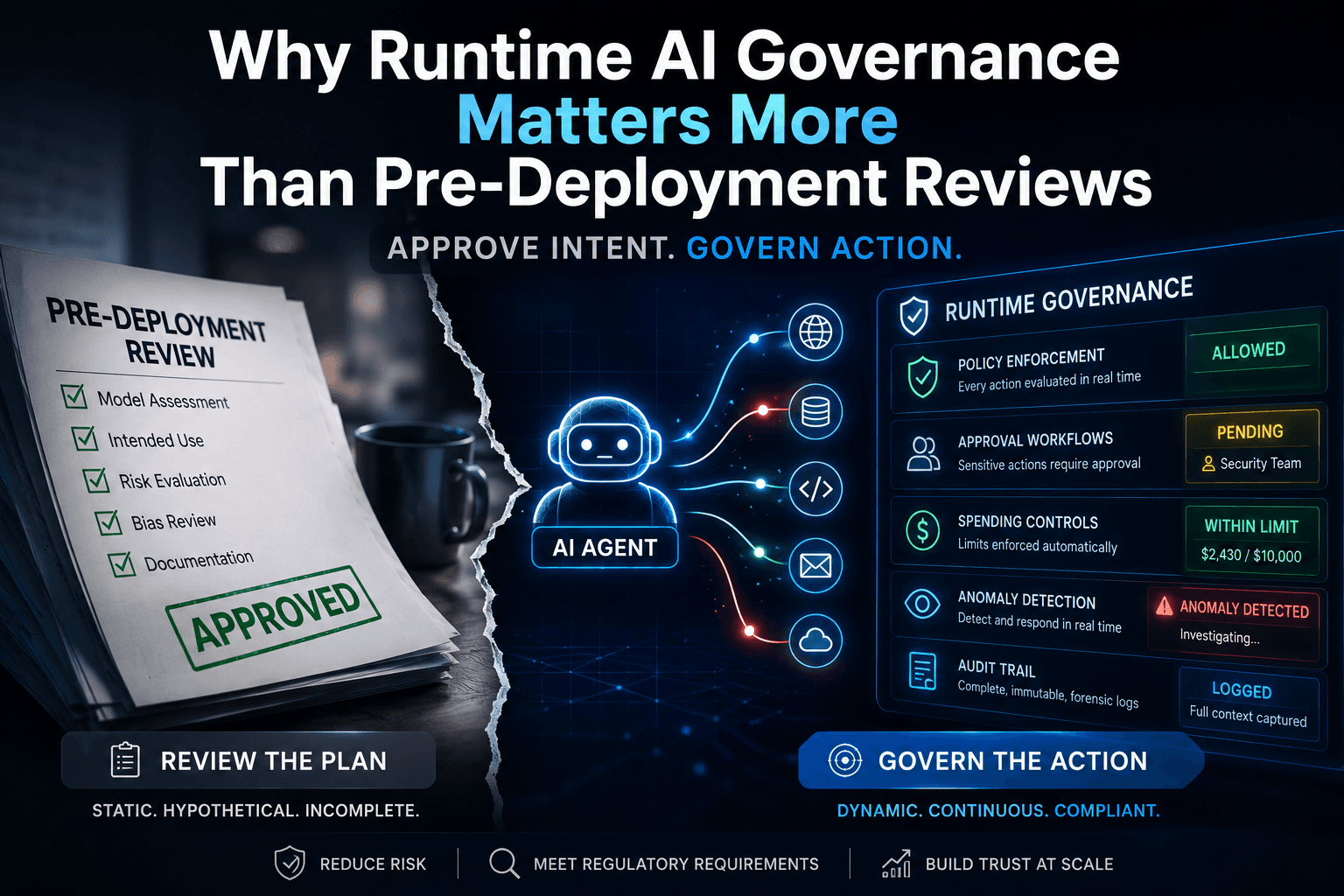
Why Runtime AI Governance Matters More Than Pre-Deployment Reviews
Pre-deployment audits catch what you plan for. Runtime governance is what saves you when real-world behavior diverges under actual operating conditions.